




Investing in real estate can be a viable path to wealth for middle-income individuals in Rwanda, especially as the country experiences rapid urbanization and economic growth. Here’s a focused guide on how middle-income earners can effectively build wealth through real estate investment in Rwanda.
The Growing Demand for Affordable Housing
Market Dynamics
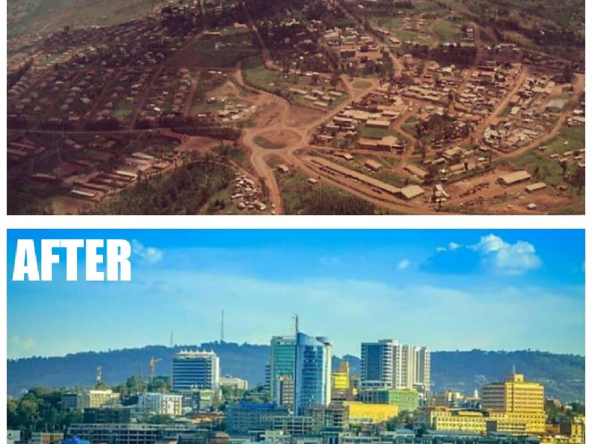
Rwanda’s real estate sector is witnessing a surge in demand for affordable housing, driven by a growing middle class and increasing urbanization. The annual demand for residential units is estimated at 25,000, with a significant portion concentrated in Kigali, where over 16,000 units were developed between 2013 and 2020 alone[1][2]. This presents a unique opportunity for middle-income earners to invest in properties that cater to this demographic.
Government Initiatives
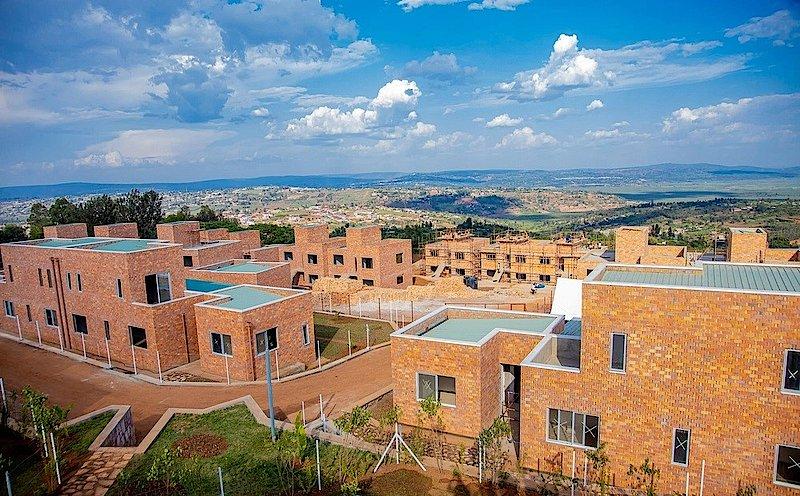
The Rwandan government is actively promoting affordable housing projects. Collaborations with private developers aim to create more accessible housing options, making it easier for middle-income individuals to enter the market. For instance, initiatives like the Bwiza Riverside Development are setting precedents for affordable housing schemes[5].
Strategies for Middle-Income Investors
1.Buying and Renting Properties
Purchasing residential properties to rent out can provide a steady income stream. Middle-income earners can focus on:
- Apartments and Condominiums: These are in high demand among young professionals and families. Investing in multi-unit buildings can maximize rental income.
- Long-term Rentals: Offering properties for long-term lease can ensure consistent cash flow while benefiting from property value appreciation over time.
2. Participating in Housing Cooperatives
Joining or forming housing cooperatives allows middle-income earners to pool resources for larger investments:
- Shared Investment: This model reduces individual financial burdens while enabling members to invest in larger properties or developments.
- Collective Bargaining Power: Cooperatives can negotiate better terms with contractors and suppliers, lowering overall costs.
3. Utilizing Government Support Programs
Middle-income investors should take advantage of government programs designed to facilitate home ownership:
- Affordable Mortgages: The government offers mortgage products with favorable terms that make home buying more accessible.
- Land Availability: The government has allocated land specifically for affordable housing projects, which can be beneficial for new developments[4][5].
Exploring Secondary Cities
As Kigali becomes increasingly saturated, secondary cities like Rusizi, Rubavu, and Musanze are emerging as attractive alternatives:
- Lower Competition: These areas typically have lower property prices and less competition, making it easier for middle-income investors to enter the market.
- Growth Potential: With urban expansion plans underway, investing in these regions may yield high returns as infrastructure develops and populations grow.
Conclusion
The Rwandan real estate market offers significant opportunities for middle-income individuals looking to build wealth. By focusing on affordable housing, leveraging government initiatives, participating in cooperatives, and exploring secondary cities, these investors can navigate the market effectively. With the right strategies and a keen understanding of local dynamics, middle-income earners can position themselves advantageously within Rwanda’s thriving real estate sector.