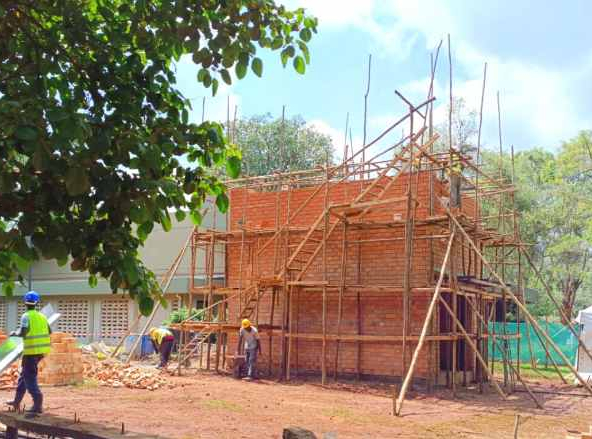







Applying for a construction permit is a crucial step in any building project, ensuring that your construction complies with local regulations and safety standards. The process involves submitting a comprehensive set of documents to the relevant authorities. Here’s a guide on the essential documents you’ll need to gather:
-
Application Form
-
Land Ownership Documents
-
Proof of Payments
- Includes: Receipts for application fees, property taxes, and other relevant payments[1][7].
-
Location Maps
-
Site Analysis
-
Design Report
-
Environmental Impact Assessment (EIA) Report or Clearance
-
Site Plan
-
Landscape Plan
-
Geotechnical Data
- Purpose: Provides information on the site’s geological conditions.
- Importance: Essential for structural integrity and safety[1].
-
Architectural, Structural, Mechanical, and Electrical Data
-
Building Services Data
- Includes: Plumbing, drainage, stormwater, wastewater, electrical, telecommunication, and mechanical systems[1].
-
Safety Measure Plan
- Purpose: Outlines measures for fire management and disaster prevention.
- Importance: Ensures safety during and after construction[1].
-
Bill of Quantities
- Purpose: Detailed list of materials and quantities needed for the project.
- Importance: Helps in budgeting and procurement[1].
-
Certifications
- Purpose: Documents from registered professionals confirming compliance with regulations.
- Importance: Validates the professionalism and legality of the project[1].
Steps to Apply for a Construction Permit
- Pre-Application Consultation: Engage with local authorities to discuss project feasibility.
- Prepare Documents: Gather all necessary documents as outlined above.
- Submit Application: Use online platforms or visit the local building department to submit your application.
- Pay Fees: Cover application processing and inspection costs.
- Technical Review: Authorities will review your application for compliance.
- Permit Approval: Receive your permit once your application is approved.
- Begin Construction: Start building after obtaining the necessary permits.
- Obtain Occupancy Certificate: Final step after completing construction and passing inspections[3][5].
By following these steps and ensuring you have all the required documents, you can efficiently navigate the process of obtaining a construction permit and ensure your project is legally compliant and safe.