


Rwanda’s real estate market is experiencing significant growth, driven by urbanization, government initiatives, and a rising middle class. As of 2025, the market is projected to reach a value of approximately US$95.70 billion, with the residential segment dominating at around US$84.85 billion. Here are some key trends shaping the real estate landscape in Rwanda.
-
Affordable Housing Demand
The demand for affordable housing is escalating, particularly in urban centers like Kigali. The Rwandan government estimates a need for 30,000 new housing units annually, with about 75% aimed at middle-income earners. This trend reflects the increasing pressure on developers to create budget-friendly options that cater to both locals and expatriates looking to invest in property[1][4][8].
-
Urbanization and Infrastructure Development
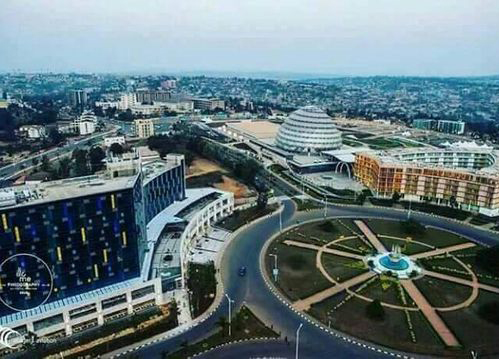
Kigali is undergoing rapid urbanization, which necessitates extensive infrastructure development. The government has invested heavily in improving transportation networks and utilities, making it an attractive destination for both local and international investors. This urban expansion is accompanied by a growing demand for residential and commercial properties[3][5][6].
-
Mixed-Use Developments
There is a rising trend in mixed-use developments that integrate residential, commercial, and recreational spaces. These projects cater to modern lifestyle preferences, allowing residents to live, work, and play within close proximity. Such developments are becoming increasingly popular as they offer convenience and enhance community living[4][6].
-
Sustainable and Green Building Practices
Sustainability is becoming a focal point in Rwanda’s construction sector. Developers are increasingly adopting eco-friendly practices, such as energy-efficient designs and the use of sustainable materials. This aligns with global environmental standards and reflects a growing awareness of climate change issues among investors and consumers alike[4][5].
-
Rise of Luxury Properties
Alongside affordable housing, there is a burgeoning market for luxury residences in upscale neighborhoods like Nyarutarama and Kiyovu. The demand for high-end villas and apartments is fueled by expatriates and affluent locals seeking premium living experiences[4][7].
-
Government Support and Incentives
The Rwandan government plays a crucial role in fostering real estate growth through various incentives for developers, including tax breaks and expedited permits. Public-private partnerships (PPPs) are also being utilized to address housing shortages and develop essential infrastructure[4][8].
-
Emerging Investment Opportunities
Investors are increasingly looking at diverse opportunities within the real estate sector, including:
– Development of low-cost housing estates
– Commercial properties such as office buildings and retail centers
– Real Estate Investment Trusts (REITs), which offer investors a chance to participate in the market without direct property ownership[2][4][6].
Conclusion
Rwanda’s real estate market is on an impressive trajectory characterized by robust growth driven by urbanization, government initiatives, and evolving consumer preferences. With a strong emphasis on affordable housing, sustainability, and mixed-use developments, the sector presents numerous opportunities for local and international investors alike as it continues to evolve into one of East Africa’s most dynamic markets.