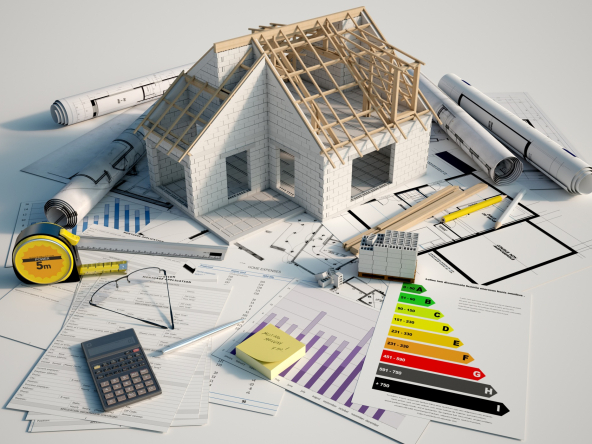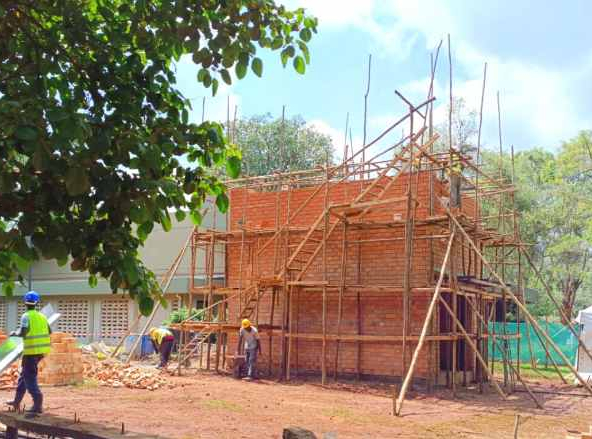





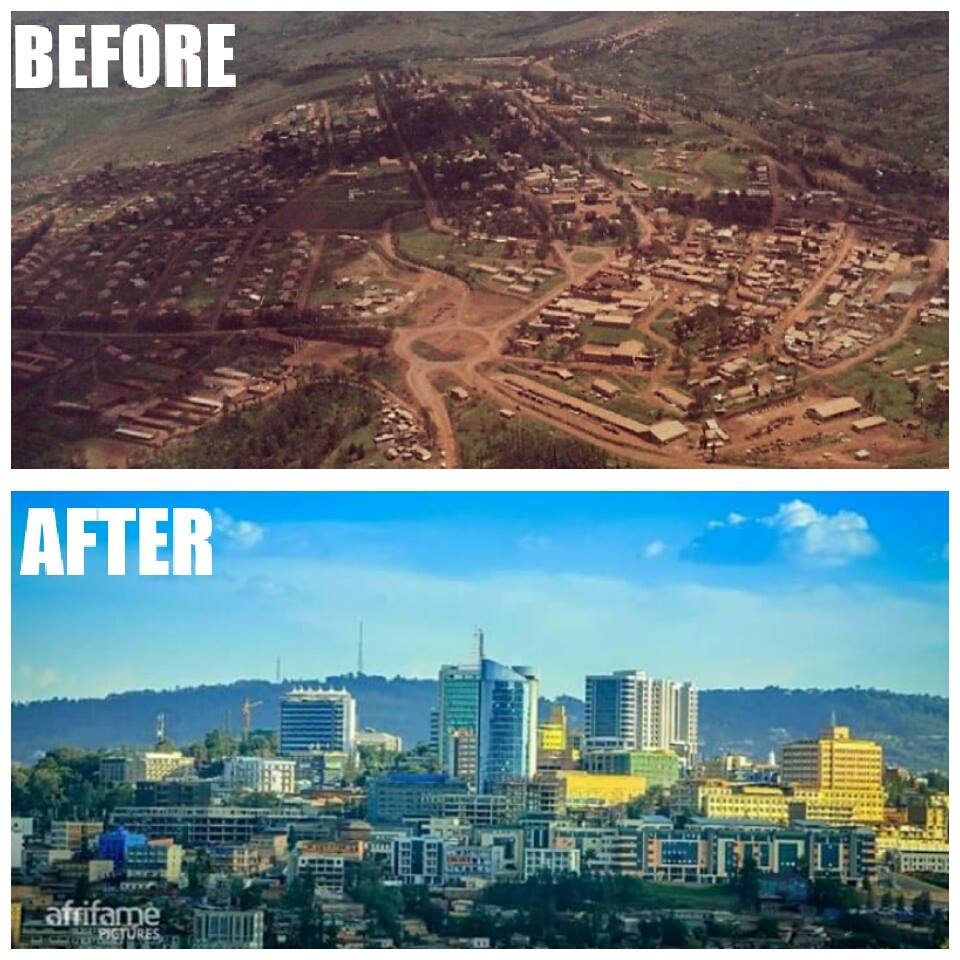
The cost of construction in Rwanda varies significantly between urban centers like Kigali and rural areas. This disparity is influenced by several factors, including labor availability, material costs, transportation, and infrastructure development.
Cost Overview
- Kigali Construction Costs: In Kigali, residential construction costs typically range from 300,000 RWF to 600,000 RWF per square meter. This variation depends on the complexity of the design and the materials used[1][4]. The city is experiencing high demand for both residential and commercial properties, leading to increased construction costs.
- Rural Construction Costs: In contrast, construction costs in rural areas are generally lower. Factors such as lower labor costs and reduced transportation expenses contribute to this difference. However, specific figures for rural construction are less frequently documented compared to urban settings.
Factors Influencing Costs
- Labor Availability: Urban areas like Kigali have a more skilled labor force and greater availability of construction workers, which can drive up costs. In rural areas, labor may be less expensive but could also be less skilled, affecting the quality of construction.
- Material Costs: The cost of building materials can vary based on proximity to suppliers. Kigali’s urban setting often means higher prices due to demand and transportation costs. Conversely, rural areas may benefit from lower prices if materials are sourced locally[3][5].
- Infrastructure Development: Kigali boasts better infrastructure, including roads and utilities, which facilitates quicker and more efficient construction processes. Rural areas may lack such infrastructure, leading to higher logistical costs and longer project timelines.
- Government Initiatives: The Rwandan government is actively promoting affordable housing projects primarily in urban areas to address housing shortages. These initiatives often include subsidies that can affect overall construction costs in cities like Kigali[4][6].
Conclusion
In summary, while Kigali presents a vibrant market with higher construction costs driven by demand and infrastructure advantages, rural areas offer more economical options albeit with potential trade-offs in labor quality and material accessibility. Understanding these dynamics is crucial for prospective builders and investors looking to navigate Rwanda’s diverse real estate landscape effectively.