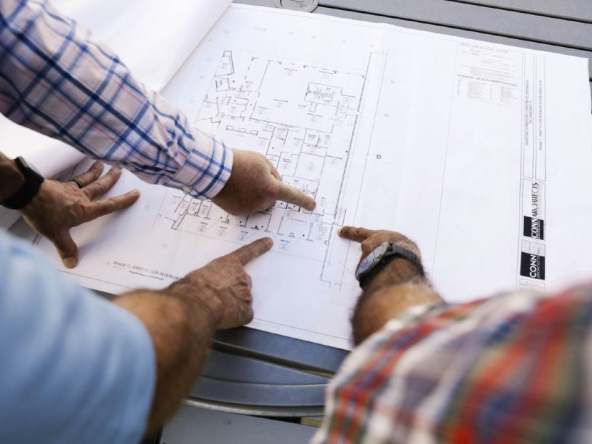






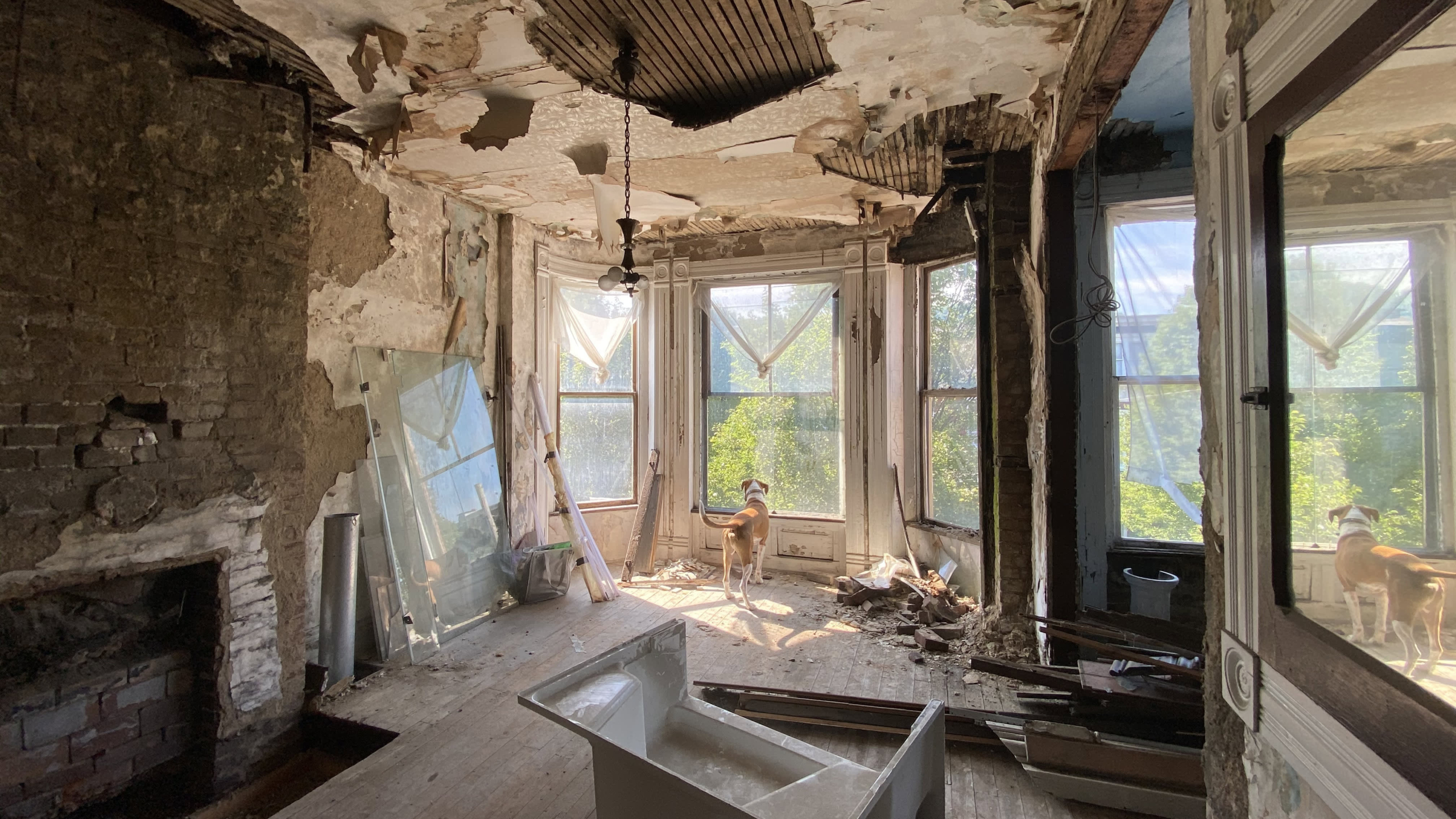
Transforming an abandoned property into a thriving space is a journey that requires creativity, determination, and often, significant financial investment. From derelict houses to unique structures like old schools or even airplanes, the possibilities are endless. In this blog post, we’ll explore some inspiring stories of transformation and provide insights on how you can embark on your own renovation adventure.
Inspiring Stories of Transformation
-
Maxine Sharples’ £1 House in Liverpool
Background: Maxine Sharples bought a crumbling house in Liverpool for just £1 under the city’s Homes for a Pound scheme.
Renovation Journey: She spent close to £60,000 on renovations but faced challenges like running out of money before completing the project[1].
Lessons Learned: Her experience highlights the importance of budgeting and managing contractors effectively. -
Converting an Abandoned High School into Luxury Apartments
Project Overview: A team transformed an abandoned high school in Pennsylvania into 31 apartment units after purchasing it for $100,000[2].
Challenges Faced: They underestimated renovation costs initially budgeted at $2 million but ended up spending about $3 million[2].
Success Story: The project not only revitalized the community but also became financially successful with rental income from tenants. -
A Tiny Home Office in Portugal
– This family converted a damp store room into a beautiful home office by recycling materials like old doors found through local networks[3].
– The result was not only cost-effective but also created valuable workspace ideal for remote work environments.
How You Can Transform Your Own Abandoned Property
Step 1: Assessing Your Property
- Conduct thorough surveys to understand the condition and potential costs involved.
- Consider hiring professionals if you’re unsure about structural integrity or major repairs needed.
Step 2: Budgeting Wisely
- Create detailed budgets that account for unexpected expenses.
- Prioritize essential repairs over cosmetic changes initially.
Step 3: DIY vs Hiring Professionals
- Decide which tasks you can handle yourself (e.g., painting) versus those requiring professional expertise (e.g., electrical work).
- Ensure any contractors are reliable by checking references or reviews from previous clients.
Step 4: Creative Problem-Solving
- Look for recycled materials or second-hand items to save costs without compromising quality.
- Engage with local communities or online forums for advice and resources during your renovation journey.
Conclusion
Turning an abandoned property into a thriving space is both challenging and rewarding. By learning from others’ experiences—both successes and setbacks—you can better prepare yourself for this exciting venture. Whether it’s transforming historical buildings or creating cozy retreats from neglected spaces, every story offers valuable lessons on perseverance and creativity in home renovation projects.