





Rwanda’s real estate market offers compelling opportunities, but navigating its regulatory landscape can seem daunting. This guide distills the essentials into actionable insights for investors, clarifying licensing, ownership rules, investment structures, and emerging trends.
-
Legal Framework and Key Regulations
Rwanda’s real estate sector is governed by a mix of laws and guidelines designed to promote transparency and sustainable growth:
- Development Real Estate Investment Trusts (D-REITs):
- Must invest at least 30% of total assets in development/construction projects or income-generating properties within one year of authorization[1][5].
- Required to maintain a minimum share capital of 1 billion Rwandan Francs (~$1 million)[5].
- Investments in cash, bonds, or securities must be spread across issuers, with no more than 5% exposure to a single institution [1][5].
- Government-backed exemptions: Deposits or securities issued by the Rwandan government or licensed banks are exempt from restrictive investment laws[1][12].
-
Licensing and Permits
Investors must secure approvals from the Rwanda Development Board (RDB) and other agencies:
- Construction Permit: Mandatory for all building projects to ensure compliance with safety codes[2].
- Environmental Impact Assessment (EIA): Required for projects with significant environmental footprints[2].
- Operational License: Issued by RDB for real estate businesses, ensuring adherence to sector regulations[2].
-
Foreign Ownership Rules
-
Market Trends Shaping 2025
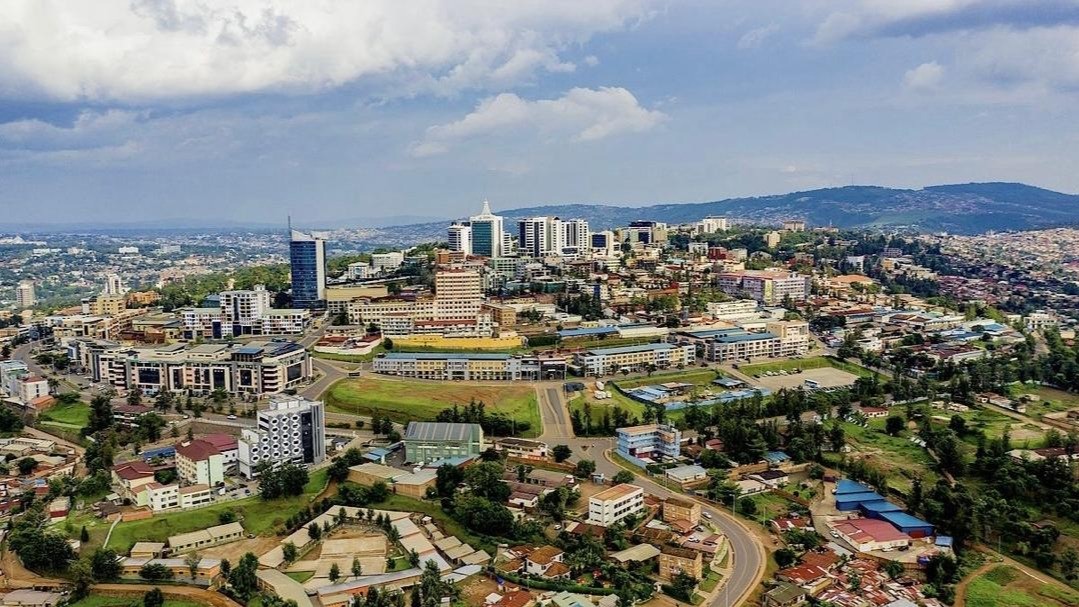
- Urbanization Demand: Kigali requires 30,000 new housing units annually, with 75% targeting middle-income earners[4][7].
- Affordable Housing: Government incentives are accelerating projects to bridge the gap between supply and demand[4][7].
- Technology Integration: Digital platforms for virtual tours and transactions are streamlining processes[4].
- Green Building Practices: Sustainable construction is rising to meet environmental standards[4].
-
Practical Tips for Investors
- Verify Credibility: Work with agents accredited by the Rwandan Association of Realtors (RWAREB) to avoid fraud[3].
- Understand Fees:
- Sales: Sellers pay 2–5% commission; buyers pay 1–3%[3].
- Rentals: Landlords pay up to 50% of rental income for short-term leases; tenants pay 20–50% of a month’s rent[3].
- Focus on Compliance: Ensure projects align with RDB’s Vision 2050 goal to urbanize 70% of Rwanda’s population[7].
Final Thoughts
While Rwanda’s regulations may appear complex, they create a structured environment for long-term growth. By prioritizing compliance, leveraging local expertise, and targeting high-demand sectors like affordable housing, investors can capitalize on one of Africa’s most dynamic markets. Stay informed about evolving policies to maintain a competitive edge.