





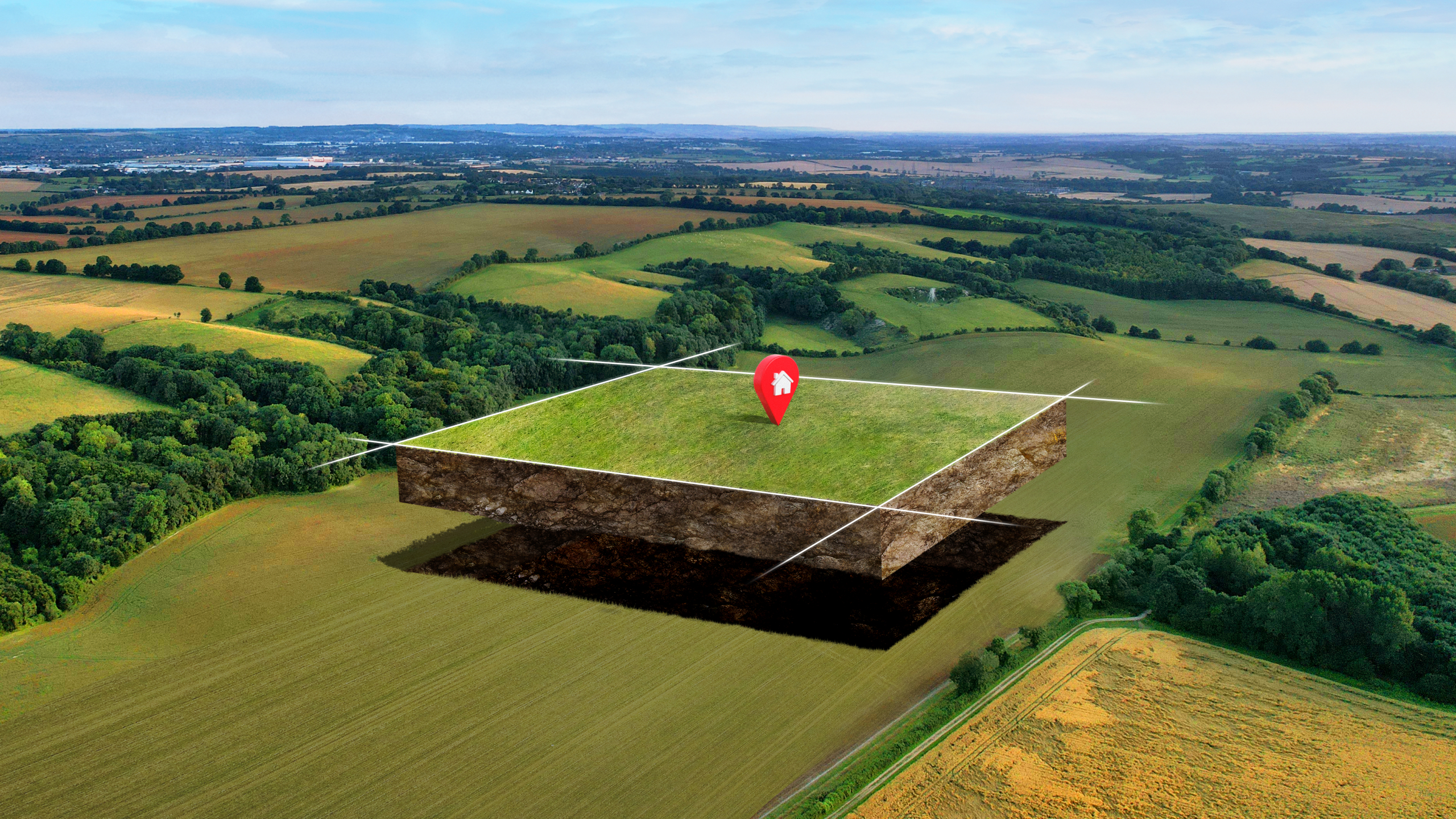
Choosing the right piece of land for construction is a crucial step in any building project, whether it’s for a residential home, commercial building, or industrial facility. The decision can significantly impact the project’s success, cost, and overall satisfaction. Here are key factors to consider when selecting the best land for your construction needs.
-
Location and Accessibility
- Proximity to Amenities: Ensure the land is close to essential amenities like schools, public transportation, shopping centers, and workplaces for convenience and accessibility[1][5].
- Accessibility: Verify that the land has easy access to roads and highways, which is vital for both residential and commercial projects[3][6].
-
Size and Shape
- Lot Size: Ensure the land is large enough to accommodate your building design and any additional features you want, such as a garden or parking[2][5].
- Lot Shape: Consider how the shape of the land will affect your building design and layout. Irregular shapes might require more complex designs[1][2].
-
Natural Features and Topography
- Terrain and Slope: Understand the land’s elevation and slope, as these can affect construction costs and design complexity. Sloped lands may offer scenic views but require additional engineering[2][5].
- Drainage and Water Issues: Ensure the land does not have drainage issues or is prone to flooding, which can compromise foundation stability[5][8].
-
Environmental and Zoning Considerations
- Zoning Regulations: Check the zoning laws to ensure your intended use is permitted. Different zones have different restrictions, such as residential, commercial, or industrial[3][4].
- Environmental Factors: Consider environmental impacts, such as nearby pollution sources or protected areas, which could affect your project’s feasibility[3][9].
-
Utilities and Infrastructure
- Soil Quality and Geotechnical Conditions
- Soil Testing: Conduct soil tests to determine its load-bearing capacity and potential for foundation issues. Poor soil quality may require specialized foundations[5][8].
- Geotechnical Conditions: Assess any geotechnical risks, such as landslides or erosion, which could impact construction stability[5][9].
- Budget and Financial Considerations
Conclusion
Picking the best land for construction involves a thorough evaluation of various factors, from location and natural features to zoning and financial considerations. By carefully assessing these elements, you can ensure your project is well-planned, cost-effective, and meets your long-term needs. Whether you’re building a home or a commercial facility, the right piece of land is the foundation of a successful project.
Additional Tips for a Smooth Process:
- Engage Professionals: Consider hiring a real estate agent or site selection consultant to help navigate the process[4][9].
- Conduct Site Visits: Always visit the site in person to get a firsthand understanding of its conditions[5].
- Research Local Regulations: Stay updated on local zoning laws and environmental regulations to avoid legal issues[3][4].