





Navigating the construction permit process in Rwanda can be daunting, especially for first-time builders and investors. This guide aims to simplify the steps involved in obtaining a construction permit, specifically focusing on the procedures in Kigali, the capital city.

-
Understanding Building Permit Categories
Before applying for a construction permit, it is essential to understand the different categories of building permits available in Rwanda:
- New Construction Permit: For new buildings.
- Refurbishment with Structural Alterations: For significant renovations that change the structure.
- Refurbishment without Structural Alterations: For cosmetic updates.
- Occupancy Permit: Required before a building can be occupied.
- Demolition Permit: For tearing down existing structures.
- Change of Building Use Permit: If you intend to change how a building is used.
Additionally, there are specific permits for fences, expired permits, and modifications to planned constructions[1][4].
-
Engage a Registered Architect
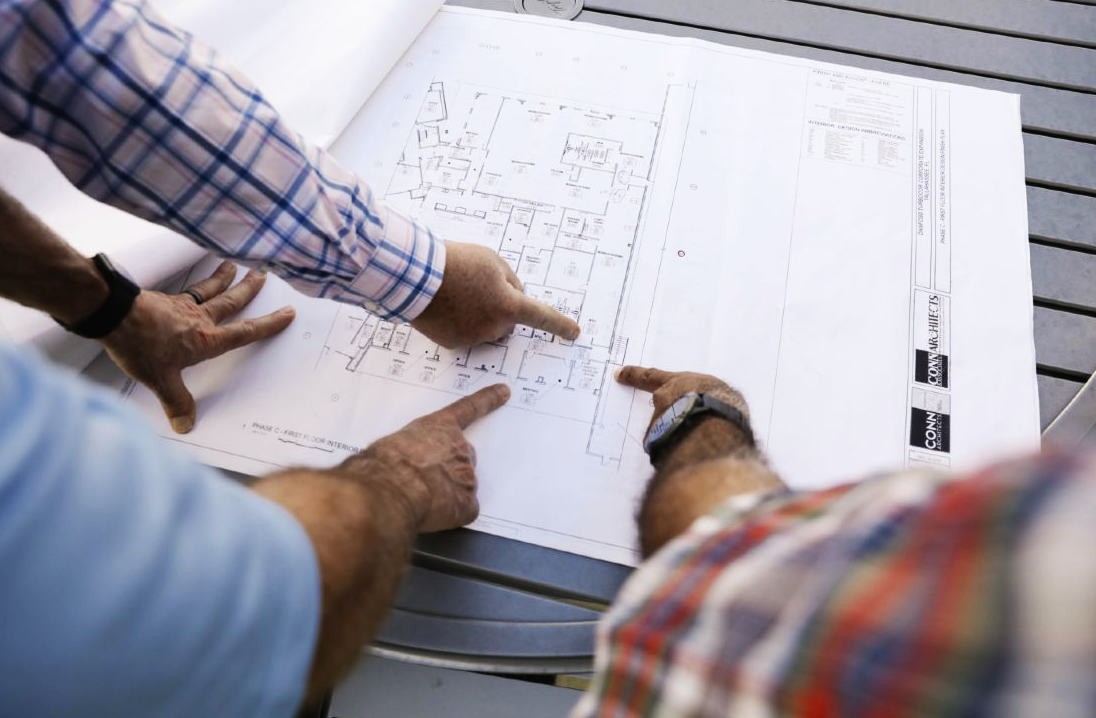
Engaging a registered architect is crucial as they will help prepare the necessary documentation and ensure compliance with local regulations. They will also assist in creating detailed design plans and technical drawings required for the application[2].
-
Preliminary Design Approval
Before submitting your application, you may need to obtain preliminary design approval from relevant authorities. This step ensures that your project aligns with local zoning laws and land use policies[2][3].
-
Conduct an Environmental Impact Assessment (EIA)
Depending on the nature of your project, an Environmental Impact Assessment may be required. This assessment evaluates how your construction will affect the surrounding environment and must be submitted alongside your application if applicable[2][3].
-
Prepare Your Application File
The application file must include various documents, which may vary based on the building category. Generally, you will need:
– Application Form
– Land Ownership Documents
– Proof of Payment of Fees
– Site Plan and Landscaping
– Environmental Impact Assessment (if required)
– Architectural Drawings
– Structural Design Plans
– Bill of Quantities and Cost Estimates
– Certifications from registered professionals[3][4]. -
Application Submission
Once your application file is complete, submit it through the designated online portal or at the relevant local authority office. Ensure that all documents are in digital format as specified by the authorities[3].
-
Permit Review and Approval
After submission, your application will undergo a review process where authorities will assess compliance with regulations and standards. This stage may take several days; however, recent improvements have reduced processing times significantly[8].
-
Permit Issuance and Fee Payment
Upon approval, you will receive your construction permit. Payment of any associated fees is typically required at this stage before you can commence construction activities[2][6].
-
Commence Construction and Inspections
Once you have your permit, you can begin construction. Be aware that inspections may occur at various stages to ensure compliance with safety standards and building codes[2][6].
Conclusion
Obtaining a construction permit in Rwanda involves several structured steps designed to promote sustainable urban development while ensuring compliance with building regulations. By following this guide and engaging professionals where necessary, you can navigate the process more efficiently and contribute to Rwanda’s growing infrastructure landscape.
This step-by-step approach not only clarifies the requirements but also emphasizes the importance of adhering to legal protocols in construction projects within Rwanda’s evolving urban environment.